
A home’s roof does more than cover the structure. It helps protect the interior from rain, wind, heat, and seasonal weather changes while supporting the overall condition of the property. For Charlotte homeowners, understanding available roofing services Charlotte NC options makes it easier to identify problems early and choose the right solution.
Professional roofing services include a range of work designed to maintain, repair, and improve residential roofing systems. The right approach depends on several factors, including the roof’s age, material condition, previous repairs, storm exposure, and the type of issue affecting the home.
A homeowner dealing with a small leak may only need targeted roof repair, while a roof with extensive aging or repeated problems may require a complete roof replacement evaluation.
A roofing system includes more than the visible shingles or panels. It also involves components such as underlayment, flashing, ventilation, and drainage features. Each part plays a role in helping the roof manage moisture and weather conditions over time.
Common Roofing Work Homeowners May Need
Many roofing concerns develop gradually rather than appearing suddenly. Small issues can become larger problems when they are ignored for too long.
Common roofing services homeowners may need include:
- Roof inspections to evaluate current conditions
- Repairs for leaks, damaged materials, and localized problems
- Roof replacement when repairs are no longer practical
- Storm damage assessments after severe weather
- Shingle or metal roofing installation
- Maintenance recommendations to help protect the roofing system
For example, a homeowner may notice a few missing shingles after a storm. In this situation, an inspection can determine whether the damage is limited or whether moisture has affected areas beneath the surface.
Scheduling roof inspections can help homeowners understand the actual condition of their roof before making decisions about repairs or replacement.
Why Professional Roofing Services Matter
Roofing decisions often involve more than fixing what is visible. A roof problem may involve hidden moisture, damaged underlayers, ventilation concerns, or installation issues that are not obvious from the ground.
A professional evaluation helps homeowners understand:
- What caused the problem
- Whether repair or replacement is more suitable
- Which materials may fit the property
- What maintenance steps may help prevent future issues
Taking action early can also help avoid situations where a minor roofing concern develops into a larger repair project.
For homeowners dealing with weather-related concerns, storm damage roofing services can help evaluate damage caused by strong winds, heavy rainfall, or falling debris.
A reliable roofing approach starts with understanding the condition of the existing system and selecting a solution that matches the home’s needs.
How Charlotte Weather Affects Residential Roofing Systems
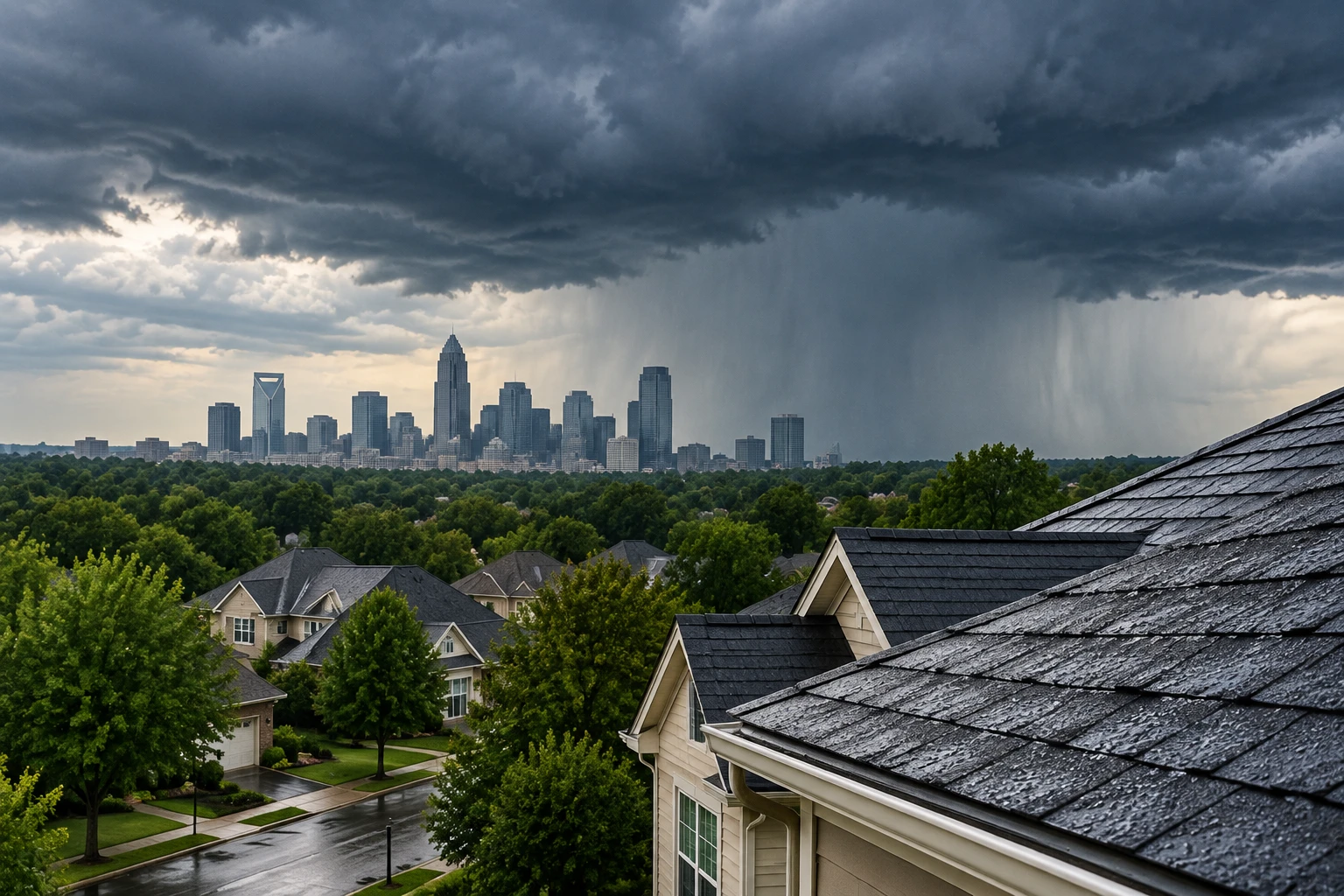
Charlotte homeowners experience a variety of weather conditions throughout the year, and each season can place different demands on a roofing system. Heat, humidity, heavy rainfall, strong winds, and occasional storms can gradually affect roofing materials and the protective layers beneath them.
Understanding how weather impacts a roof helps homeowners recognize potential problems earlier and make better maintenance decisions. A roofing system that is regularly evaluated is more likely to reveal small concerns before they become larger issues.
Heat, Storms, and Seasonal Changes
Temperature changes can affect how roofing materials perform over time. During warmer months, repeated exposure to sunlight and heat can cause materials to expand and contract. Over many seasons, this natural process may contribute to aging, surface wear, or reduced material performance.
Storms can create additional challenges. Strong winds, heavy rain, and falling branches may damage visible roofing components or create openings where moisture can enter.
After severe weather, homeowners should look for signs such as:
- Missing or damaged shingles
- Loose roofing materials
- Damaged flashing around roof openings
- Water stains inside the home
- Debris impact marks
Some storm-related damage is easy to see, while other problems may remain hidden until water enters the home. A professional evaluation can help determine whether repairs are needed or if further action should be considered.
Homeowners dealing with storm-related concerns can explore storm damage roofing services to understand how weather damage is assessed and addressed.
Moisture and Ventilation Concerns
Charlotte’s humidity and rainfall make moisture management an important part of maintaining a healthy roofing system.
A properly functioning roof should help direct water away from the home while allowing proper airflow through the attic space. When moisture becomes trapped or ventilation is inadequate, problems may develop over time.
Potential concerns related to moisture include:
- Water intrusion
- Damaged roofing materials
- Attic moisture buildup
- Reduced roof lifespan
- Interior damage near ceilings or walls
Roofing issues are not always caused by the outer roofing material alone. Problems with flashing, ventilation, or drainage can also affect how well the system performs.
Regular roof inspections can help identify areas where moisture may be entering or where maintenance may be needed before more extensive damage occurs.
Preparing Your Roof for Charlotte Weather Conditions
A proactive approach can help homeowners stay ahead of weather-related roofing problems. Simple steps such as checking for visible damage, keeping gutters clear, and scheduling professional evaluations after major storms can help protect the home.
When roofing concerns are discovered, the appropriate solution depends on the severity of the issue. Some situations may require roof repair, while older or heavily damaged systems may need a more detailed replacement assessment.
Understanding how local weather affects roofing performance allows homeowners to make informed choices and maintain their homes with greater confidence.
Signs Your Home May Need Roofing Attention
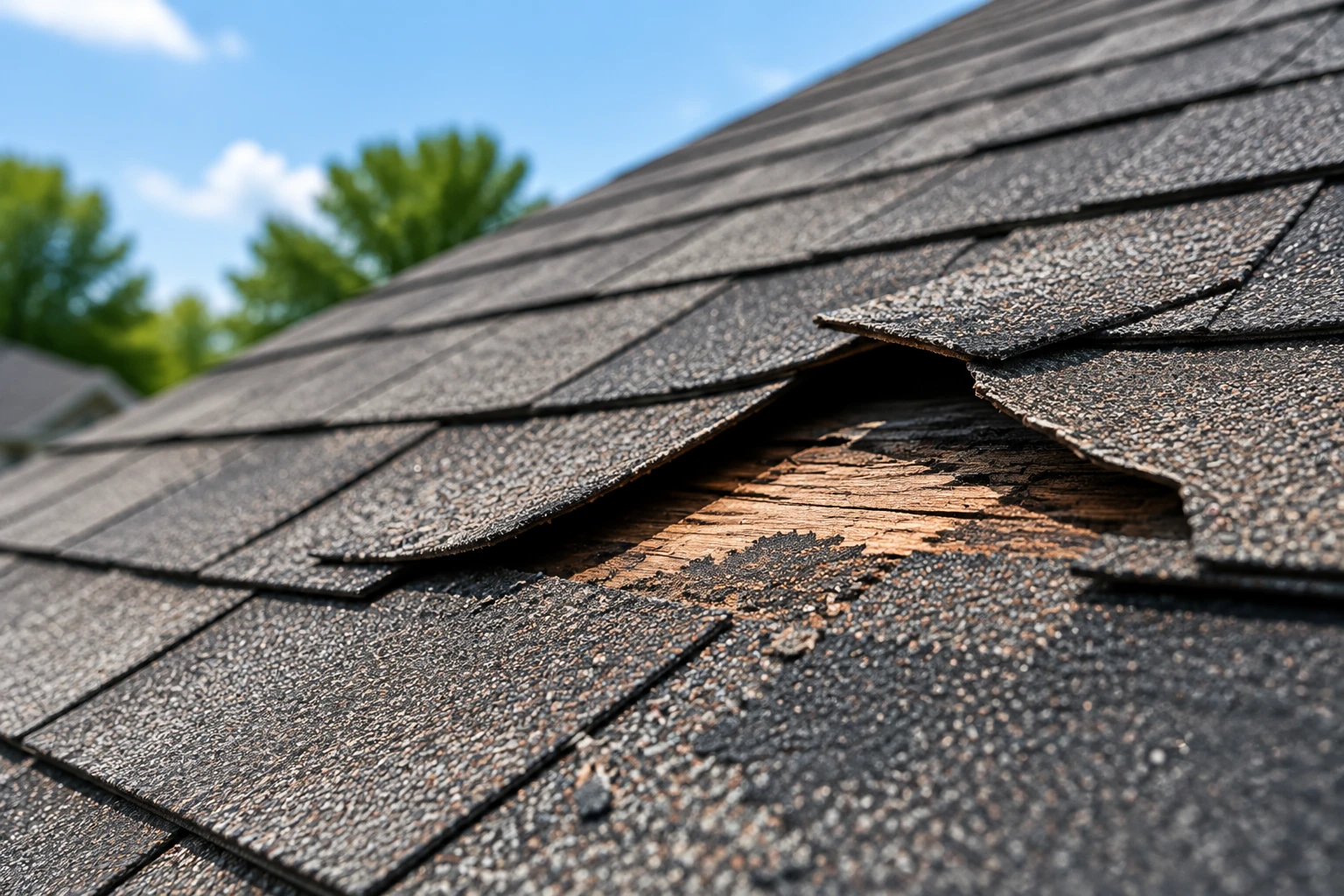
Roofing problems do not always appear as major leaks or visible damage. Many issues begin with small changes that homeowners may overlook, such as a few damaged shingles, moisture marks, or areas where materials are starting to deteriorate.
Recognizing these warning signs early can help homeowners address problems before they affect other parts of the property. A timely evaluation can also help determine whether a repair is enough or if a larger roofing project should be considered.
Visible Roof Damage
The outside of your roof can provide important clues about its condition. While some damage is easy to notice, other problems may require a closer professional assessment.
Common exterior warning signs include:
- Missing or broken shingles
- Curling, cracked, or damaged roofing materials
- Loose sections after strong winds
- Damaged flashing around chimneys, vents, or roof edges
- Areas where the roof appears uneven or weakened
These issues do not always mean the entire roof needs replacement. In some cases, targeted roof repair may resolve the problem and help protect the rest of the roofing system.
However, repeated repairs or widespread deterioration may indicate that homeowners should begin exploring roof replacement options.
Interior Warning Signs
Some roofing problems become noticeable inside the home before homeowners identify anything from the exterior.
Signs that may indicate a roofing concern include:
- Water stains on ceilings or walls
- Damp areas in the attic
- Peeling paint near the ceiling
- Musty odors caused by moisture
- Visible water entry after rainfall
A ceiling stain does not always show the exact location where water entered. Moisture can travel through roofing layers before appearing inside the home.
For this reason, homeowners should avoid assuming the visible damage represents the entire problem. A professional assessment can help locate the source and determine the appropriate solution.
Homeowners can also review common warning signs through resources such as signs your roof may need replacement before deciding on their next step.
When Inspection Becomes Necessary
A roof inspection can provide valuable information when homeowners are uncertain about their roof’s condition.
Consider scheduling an evaluation when:
- Your roof has experienced storm exposure
- You notice leaks or visible damage
- Your roof is approaching the later stages of its expected service life
- You are buying or selling a home
- Previous repairs have not fully resolved recurring issues
A professional roof inspection helps identify existing concerns and provides a clearer understanding of available options.
For example, imagine a homeowner notices a small water stain after a heavy storm. The issue may appear minor, but an inspection could reveal whether the problem is limited to damaged shingles or involves deeper moisture concerns.
Addressing roofing issues early gives homeowners more control over repair decisions and helps prevent unexpected problems from developing later.
Exploring Different Types of Roofing Services Available
Every roofing situation is different. A homeowner dealing with a minor leak may need a completely different solution than someone with an aging roof that has reached the end of its useful life.
Understanding the different types of roofing services available helps homeowners choose the right approach instead of focusing only on the most obvious problem. Professional roofing work can range from simple maintenance and repairs to complete system replacements.
Roof Inspections and Evaluations
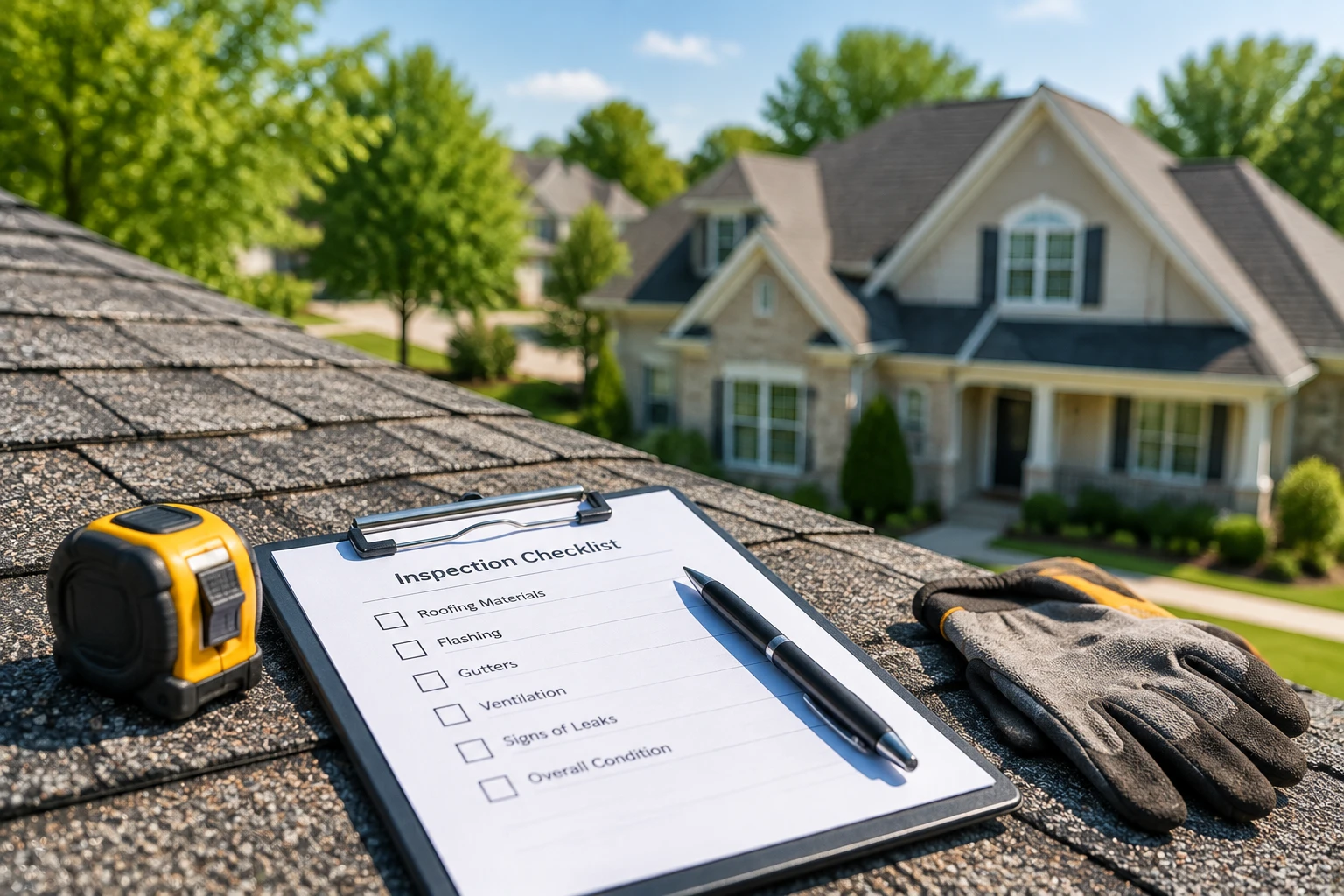
A roof inspection is often the first step when homeowners notice damage, experience leaks, or want to understand the current condition of their roofing system.
During an inspection, professionals typically evaluate areas such as:
- Roofing materials and surface condition
- Flashing around roof openings
- Signs of moisture intrusion
- Areas affected by weather exposure
- Overall system performance
A detailed evaluation helps homeowners understand whether immediate repairs are needed or whether future planning may be more appropriate.
Regular roof inspections can also be useful for homeowners who want to identify potential concerns before they become more expensive problems.
Roof Repairs and Maintenance
Roof repairs are designed to address specific problems without replacing the entire roofing system.
Common repair situations include:
- Damaged or missing shingles
- Small leaks
- Flashing issues
- Localized storm damage
- Minor material deterioration
For example, if a storm damages a small section of shingles, a professional may recommend targeted roof repair rather than replacing the entire roof.
However, repeated repairs in the same areas may indicate that the underlying roofing system requires a more complete evaluation.
Maintenance also plays an important role in protecting a roof over time. Keeping drainage systems clear, monitoring visible damage, and addressing small concerns early can help homeowners avoid larger issues.
Roof Replacement Projects
Roof replacement involves removing an existing roofing system and installing new materials. This option is generally considered when repairs are no longer practical or when the roof has experienced significant aging or damage.
Situations that may lead homeowners to consider roof replacement include:
- Extensive material deterioration
- Frequent repair needs
- Widespread storm damage
- Long-term moisture concerns
- An aging roofing system
Replacing a roof is a larger project, so homeowners should understand the condition of their current system before making a decision.
A professional assessment can help determine whether replacement is the right choice based on the roof’s condition, the home’s needs, and long-term goals.
Storm Damage Roofing Solutions
Severe weather can create roofing problems that require prompt attention. Wind, heavy rain, and falling debris may damage materials or create openings where water can enter.
Storm-related roofing concerns may include:
- Missing shingles
- Damaged roof edges
- Leaks after rainfall
- Impact damage
- Loose materials
When weather events affect a home, storm damage roofing services can help homeowners understand the extent of damage and what repairs may be necessary.
In situations where damage creates immediate concerns, homeowners may also need emergency roof repair to help address urgent issues and reduce further exposure.
What Happens During a Professional Roof Inspection
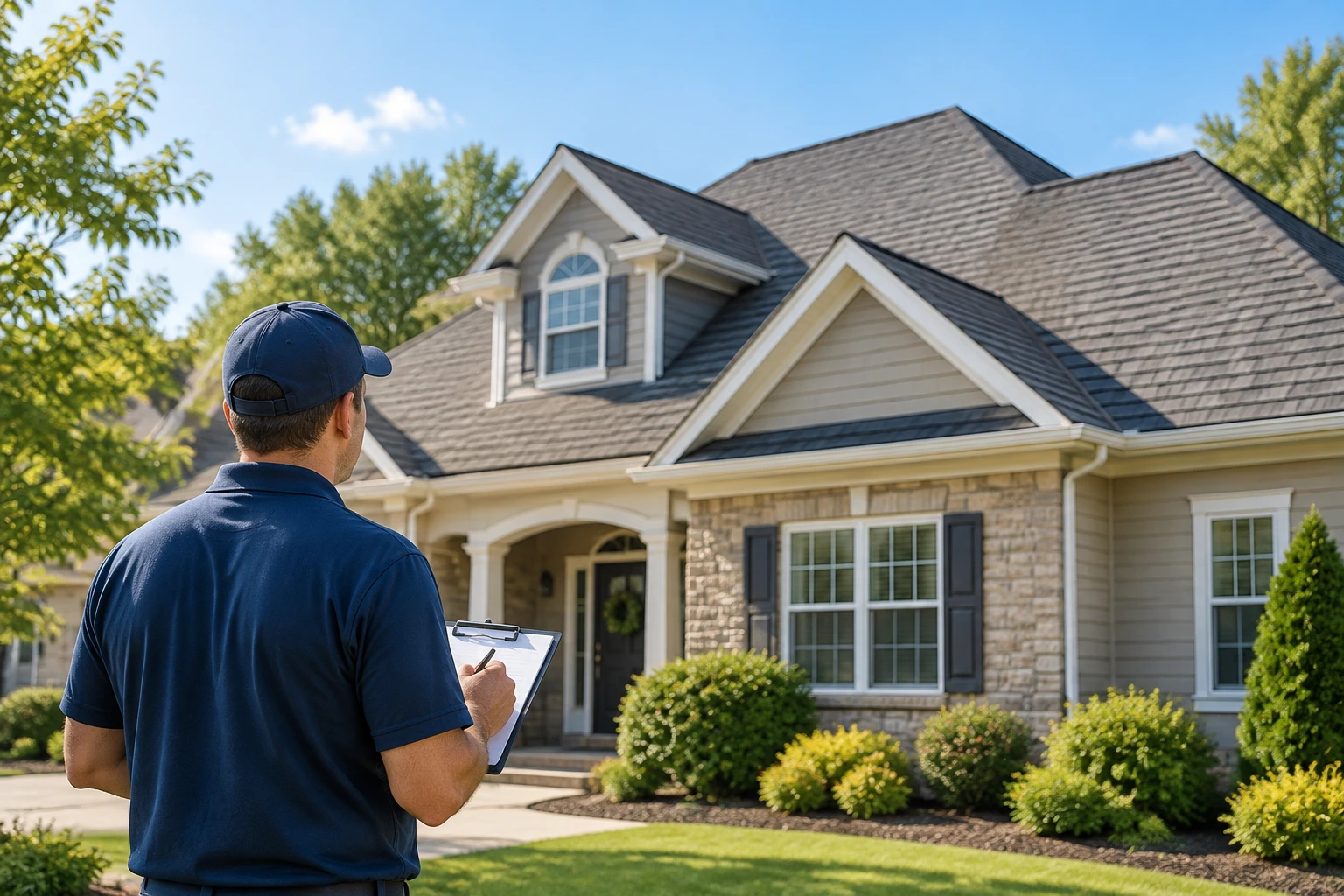
A professional roof inspection helps homeowners understand the actual condition of their roofing system before deciding on repairs, maintenance, or replacement. While some roofing issues are easy to spot from the ground, many problems develop in areas that require a closer evaluation.
A proper inspection looks beyond surface-level damage. It considers the condition of roofing materials, areas where water may enter, and components that support the overall performance of the roof.
For homeowners unsure about their roof’s condition, scheduling roof inspections can provide a clearer understanding of potential concerns and available solutions.
Exterior Assessment of the Roofing System
The exterior portion of a roof inspection focuses on visible materials and areas that are exposed to weather conditions.
A roofing professional may examine:
- Shingles or roofing panels for damage
- Roof edges and exposed areas
- Flashing around vents, chimneys, and other openings
- Signs of wind or storm impact
- Areas where materials may be wearing down
The goal is not only to identify visible damage but also to understand how the roofing system is performing as a whole.
For example, a few damaged shingles may appear to be an isolated issue. However, an inspection may reveal whether surrounding materials have also been affected or whether moisture has reached deeper layers.
Identifying Underlying Roofing Issues
Some roofing problems are not immediately visible. Water can move through small openings and affect areas beneath the outer roofing material before signs appear inside the home.
During an evaluation, professionals may look for:
- Evidence of moisture entry
- Damaged underlayment
- Poor drainage areas
- Ventilation concerns
- Previous repair issues
Finding these concerns early allows homeowners to understand the scope of the problem before deciding on a solution.
A small issue discovered during an inspection may only require maintenance or a targeted roof repair. More extensive findings may require a larger discussion about replacement options.
Understanding Inspection Recommendations
After reviewing the roof, homeowners should receive a clear explanation of what was found and what actions may be appropriate.
Recommendations may include:
- Monitoring a minor concern
- Scheduling repairs
- Improving maintenance practices
- Planning for future replacement
- Addressing urgent damage
A roof inspection is not only about identifying problems. It helps homeowners understand their options and make decisions based on the actual condition of their home.
For example, a homeowner who discovers early signs of aging may have time to plan for a future project instead of waiting until unexpected damage creates a more urgent situation.
Why Regular Roof Evaluations Can Help
Regular evaluations are useful because roofing problems often become more expensive when they remain unnoticed for long periods.
Inspections can help homeowners:
- Catch developing problems earlier
- Understand roof condition after storms
- Plan future maintenance
- Make informed repair decisions
A professional inspection provides valuable information that helps homeowners protect one of the most important parts of their property. It creates a clearer path forward, whether the next step involves maintenance, repair, or a complete roofing project.
Choosing Between Roof Repair and Roof Replacement
One of the most common questions homeowners face is whether an existing roof should be repaired or completely replaced. The answer depends on several factors, including the extent of damage, the age of the roofing system, previous repair history, and the long-term goals for the property.
A roof repair may solve a specific problem, while a replacement addresses the condition of the entire roofing system. Understanding the difference can help homeowners avoid unnecessary expenses while also preventing repeated problems.
When Roof Repairs May Be Enough
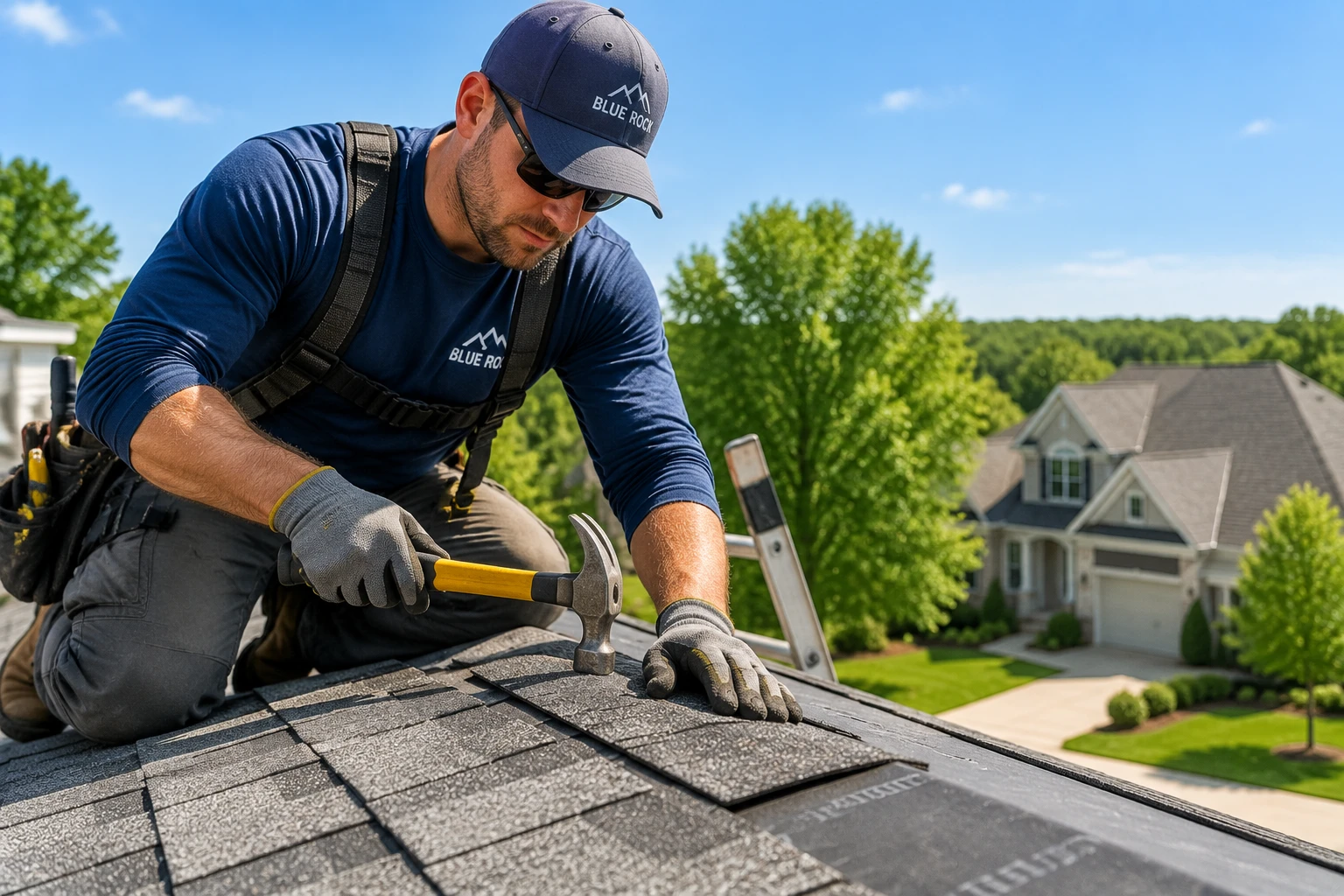
Roof repairs are often suitable when damage is limited to a specific area and the rest of the roofing system remains in good condition.
Situations where repairs may be appropriate include:
- A small leak caused by localized damage
- A few missing or damaged shingles
- Minor flashing problems
- Limited storm-related damage
- Isolated areas of wear
For example, if strong winds damage a small section of shingles but the rest of the roof is in good condition, targeted roof repair may restore protection without requiring a full replacement.
However, repairs should address the actual cause of the problem. Covering up visible damage without identifying why it happened can allow the same issue to return.
When Roof Replacement Becomes the Practical Option
Roof replacement is usually considered when the roofing system has reached a point where repairs are no longer the most effective solution.
Homeowners may want to explore roof replacement when they notice:
- Frequent repair needs
- Widespread material deterioration
- Multiple areas of damage
- Ongoing leaks
- Significant storm impact
- An aging roof that no longer performs as expected
A replacement project involves removing the existing roofing materials and installing a new system designed to protect the home for the future.
For homeowners researching replacement decisions, understanding factors such as project scope, material choices, and long-term expectations can make the process easier.
Comparing Repair and Replacement Decisions
The right choice depends on the condition of the entire roofing system rather than one single issue.
| Situation | Possible Approach |
|---|---|
| Small isolated damage | Roof repair may be suitable |
| Recent storm damage affecting a limited area | Repair or storm evaluation |
| Repeated leaks and ongoing problems | Replacement evaluation |
| Extensive aging or widespread deterioration | Roof replacement consideration |
A professional evaluation can help homeowners understand whether repairing the current roof makes sense or whether investing in a new system may provide better long-term value.
Considering Long-Term Costs and Future Needs
A lower-cost repair may seem like the easiest option, but homeowners should also consider how often additional repairs may be needed.
For example, a homeowner with an older roof may repair one damaged area today, only to discover additional problems later. In that situation, planning for replacement may help avoid repeated service calls and unexpected issues.
On the other hand, replacing a roof that only has a minor, repairable issue may not be necessary.
The best decision comes from understanding the roof’s current condition, available options, and the homeowner’s plans for the property.
Before making a final decision, homeowners can also review resources about signs your roof may need replacement to better understand when replacement may become the more practical choice.
Popular Roofing Materials Used by Charlotte Homeowners
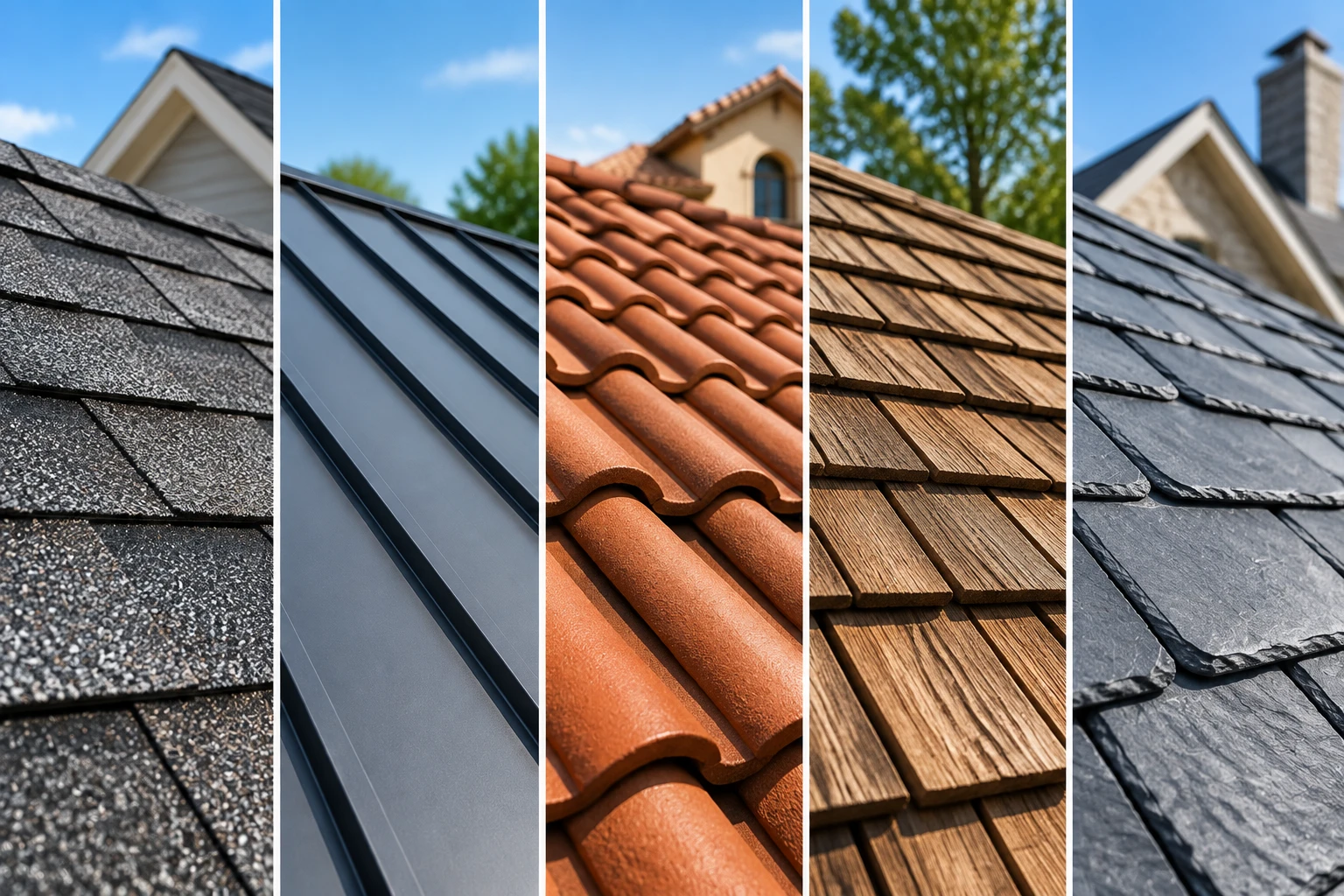
Choosing the right roofing material is an important decision for homeowners because the roof affects protection, appearance, maintenance needs, and long-term planning. Different materials perform differently depending on the home’s design, weather exposure, budget considerations, and homeowner preferences.
There is no single roofing material that works best for every property. The right choice depends on factors such as durability expectations, maintenance requirements, installation considerations, and the overall goals for the home.
Asphalt Shingle Roofing
Asphalt shingles are one of the most common roofing materials used on residential properties. Many homeowners choose them because they offer a practical combination of appearance, availability, and installation flexibility.
Different asphalt shingle options can provide different levels of durability and visual appeal.
Common asphalt shingle choices include:
- Traditional three-tab shingles
- Architectural shingles
- Higher-performance asphalt shingle systems
Homeowners considering this option can explore asphalt shingle roofing to better understand installation considerations and available solutions.
Asphalt shingles may be a suitable choice for homeowners who want a familiar roofing material that works well with many residential styles.
Metal Roofing Systems
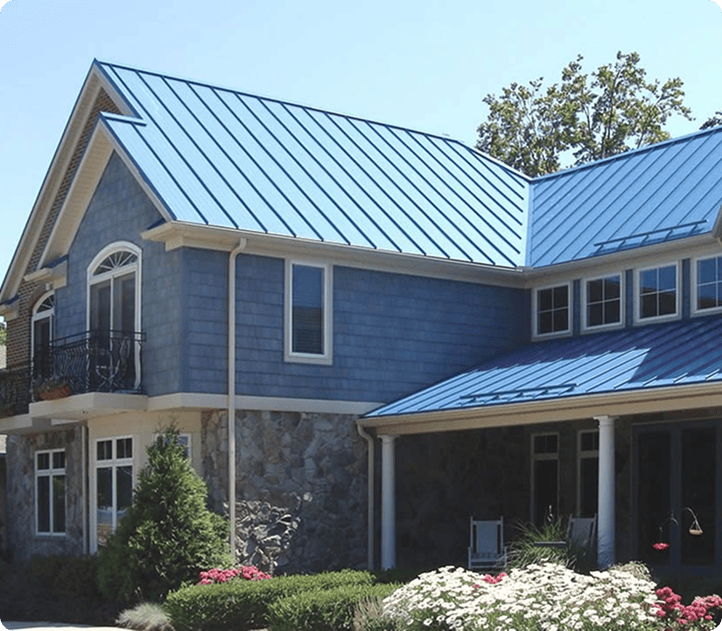
Metal roofing has become a popular option for homeowners looking for a durable roofing solution with a different appearance compared to traditional shingles.
Metal roofing systems are available in several styles, including standing seam designs and other panel configurations.
Potential advantages of metal roofing include:
- Long-term durability
- Resistance to certain weather conditions
- Different style options
- Reduced maintenance needs compared with some traditional materials
Homeowners interested in this option can learn more about metal roofing systems and how they compare with other roofing choices.
For additional information about the characteristics of metal roofing, homeowners can also review benefits of metal roofing when comparing materials.
Choosing Roofing Materials Based on Your Home
The best roofing material depends on more than appearance. Homeowners should consider how the material fits the property’s needs and long-term plans.
Important factors include:
- Local weather exposure
- Roof design and slope
- Maintenance expectations
- Desired appearance
- Future renovation plans
- Budget considerations
For example, a homeowner focused on traditional residential design may prefer asphalt shingles, while someone looking for a different style and long-term material option may consider metal roofing.
A professional roofing evaluation can help homeowners understand which materials are suitable for their specific home.
Understanding Material Trade-Offs
Every roofing material has advantages and considerations. A material that works well for one homeowner may not be the right choice for another.
Before selecting a roofing system, homeowners should think about:
- How long they plan to stay in the home
- How much maintenance they prefer
- The appearance they want
- How the material performs in local weather conditions
Making an informed decision helps ensure the selected roofing material supports both the home’s current needs and future expectations.
How to Choose the Right Roofing Contractor in Charlotte
Selecting the right roofing contractor is one of the most important decisions homeowners make during a roofing project. A roof protects the entire home, so the quality of materials and installation work can have a direct impact on long-term performance.
Many homeowners focus only on pricing when comparing contractors, but cost is only one part of the decision. Experience, communication, service approach, and the contractor’s ability to explain the project clearly are also important factors.
A reliable contractor should help homeowners understand the condition of their roof, available options, expected project steps, and what type of work is actually needed.
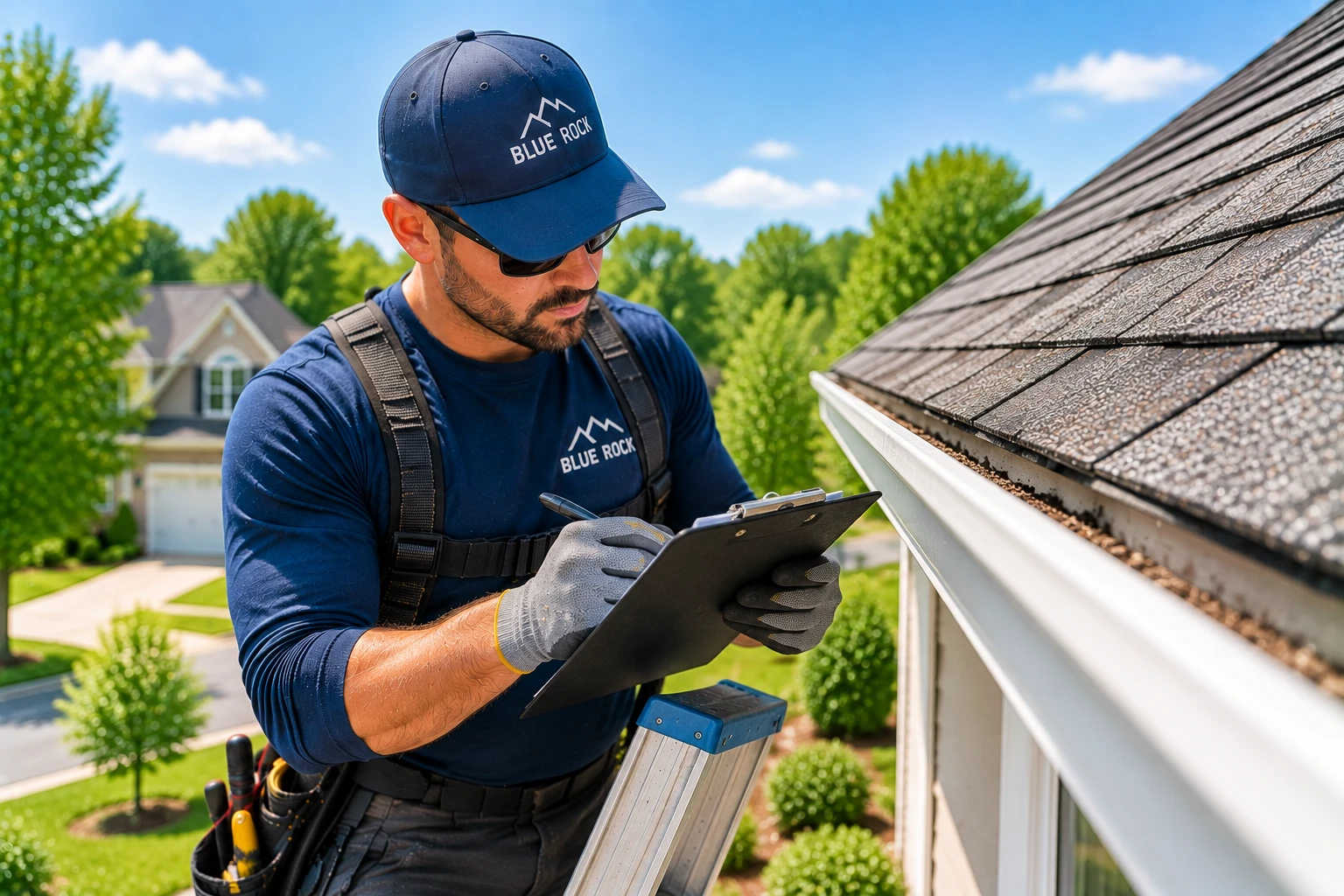
Look for Experience With Residential Roofing Systems
Roofing projects require knowledge of different materials, installation methods, and common problems that affect homes in the area.
When evaluating a contractor, homeowners should consider:
- Experience with similar residential projects
- Knowledge of different roofing materials
- Ability to explain repair and replacement options
- Clear communication throughout the process
- Attention to installation details
A contractor who understands local weather conditions and common roofing challenges can provide more practical recommendations based on the home’s needs.
Homeowners researching their options can also review guidance on choosing a roofing contractor in Charlotte before starting a project.
Ask Questions Before Hiring a Roofing Professional
Before selecting a contractor, homeowners should ask questions that help clarify the scope of work and expectations.
Useful questions include:
- What issues were identified during the inspection?
- Is repair or replacement the recommended option?
- What materials are being considered?
- What steps are involved in the project?
- How will unexpected issues be handled?
A clear conversation before work begins helps reduce confusion and allows homeowners to understand the reasoning behind recommendations.
Consider the Contractor’s Approach to Communication
Good communication is an important part of any home improvement project. Homeowners should feel comfortable asking questions and receiving clear explanations.
A professional roofing contractor should be able to explain:
- Why certain repairs are needed
- How materials affect the project
- What homeowners should expect during the work
- How maintenance can help protect the investment
For example, if a homeowner receives a recommendation for replacement, they should understand why repair may not be the most practical option and what improvements the new roofing system provides.
Avoid Choosing Based Only on the Lowest Price
Price is an important consideration, but the lowest estimate does not always represent the best value.
A very low quote may leave questions about:
- Material quality
- Project details
- Installation practices
- Included services
Instead of focusing only on the initial cost, homeowners should consider the overall value of the roofing solution and whether the contractor provides clear information and dependable workmanship.
Making an informed choice helps homeowners select a roofing professional who can properly evaluate the home and provide a solution that matches their needs.
Common Roofing Mistakes Homeowners Should Avoid
Roofing decisions can have long-term effects on a home’s protection, maintenance needs, and future repair costs. Many roofing problems are not caused by a single major event but by small decisions that allow minor issues to become larger concerns over time.
Understanding common mistakes can help Charlotte homeowners take a more practical approach to roof maintenance, repairs, and replacement planning.
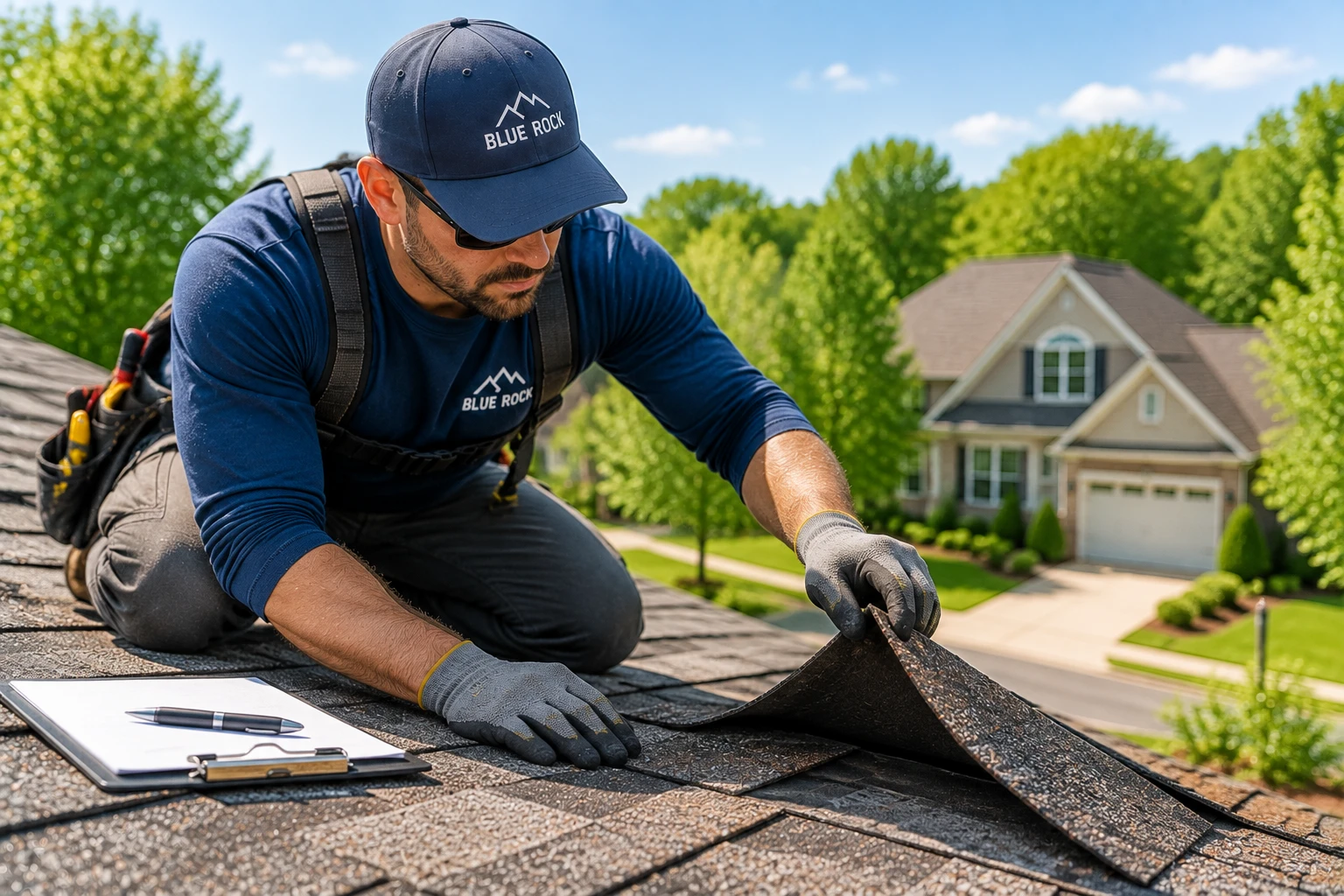
Delaying Small Roofing Problems
One of the most common mistakes homeowners make is waiting too long before addressing visible roofing concerns.
A small issue such as a damaged shingle, minor leak, or loose flashing may appear manageable at first. However, continued exposure to rain and changing weather conditions can allow moisture to reach areas beneath the surface.
Delaying repairs may lead to:
- Larger damaged areas
- Increased repair needs
- Interior moisture problems
- More complicated restoration work
For example, a small roof leak that is ignored after a storm may continue allowing water into the home. Scheduling emergency roof repair when urgent damage occurs can help reduce the chance of additional problems.
Choosing a Roofing Solution Based Only on Price
Budget is an important factor in any home improvement project, but selecting a roofing option based only on the lowest price can create challenges later.
Homeowners should consider:
- Material quality
- Installation methods
- Project details
- Long-term maintenance needs
- Contractor experience
A lower initial cost may not always represent the best choice if important project details are overlooked.
A better approach is to understand what is included in the work and how the selected solution supports the home over time.
Ignoring Routine Roof Maintenance
Many homeowners think about their roof only when a visible problem appears. However, regular attention can help identify concerns before they become urgent.
Basic maintenance may include:
- Checking for visible damage
- Keeping drainage areas clear
- Monitoring changes after storms
- Scheduling professional evaluations when needed
Routine evaluations through roof inspections can help homeowners understand whether their roofing system is performing properly or requires attention.
Attempting Complex Roofing Work Without Professional Knowledge
Roofing systems involve multiple components that must work together. Attempting repairs without proper knowledge may create additional problems or fail to address the actual cause of the issue.
Professional roofing work requires understanding:
- Proper installation methods
- Water management
- Material compatibility
- Safety considerations
- Hidden damage evaluation
For example, replacing a few visible shingles may not solve a problem if the underlying issue involves flashing or moisture intrusion.
Ignoring Signs That Replacement May Be Needed
Another common mistake is continuing to repair a roof that may be approaching the end of its practical lifespan.
Repeated repairs can sometimes delay the need for replacement, but homeowners should understand when a larger solution may make more sense.
Resources about signs your roof may need replacement can help homeowners recognize situations where replacement planning should be considered.
Avoiding these common mistakes helps homeowners make better roofing decisions and protect their property with a more informed approach.
Planning for Roofing Costs and Project Expectations
Understanding roofing costs is an important part of preparing for a repair, replacement, or improvement project. Many homeowners begin the process by asking about price, but the final cost depends on several factors related to the home, roofing system, materials, and scope of work.
Instead of focusing only on a single number, homeowners should understand what influences roofing expenses and what to expect throughout the project.
A professional evaluation can help identify the actual condition of the roof and provide a clearer picture of the work involved.
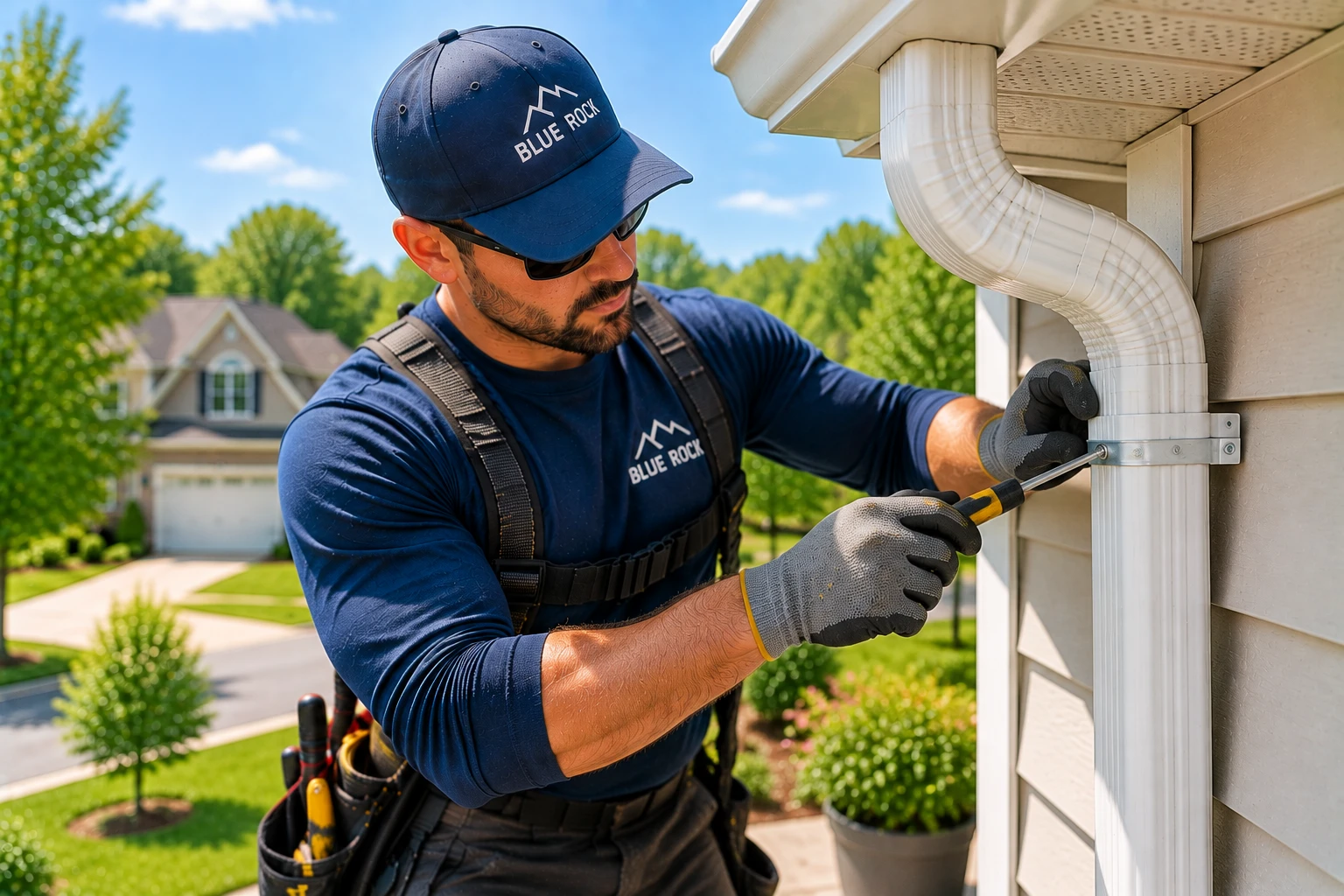
Factors That Influence Roofing Costs
Roofing costs can vary depending on the specific needs of each property. Several factors may affect the overall project scope, including:
- Size and design of the roof
- Type of roofing material selected
- Extent of existing damage
- Required repairs before installation
- Accessibility of the roof
- Additional components that need attention
For example, replacing a roof with widespread damage may involve more work than replacing materials on a home with a simpler roofing condition.
Homeowners considering a larger project can review information about roof replacement to better understand what the process may involve and why professional evaluation is important.
Understanding Repair and Replacement Expenses
Roof repairs and roof replacements are different types of projects with different considerations.
A repair may involve addressing a specific problem, such as:
- Damaged shingles
- Small leaks
- Flashing concerns
- Limited storm damage
A replacement involves removing the existing roofing system and installing new materials across the home.
Homeowners who are unsure which option fits their situation can explore roof replacement cost information for Fort Mill SC to better understand the factors that typically influence larger roofing decisions.
The goal is not simply to choose the lowest immediate cost but to select an approach that addresses the actual condition of the roof.
Preparing for the Roofing Project Process
A roofing project usually involves several stages, from the initial evaluation through completion.
Homeowners can generally expect steps such as:
- Assessing the current roofing condition
- Discussing available solutions
- Selecting materials and project details
- Preparing the property before work begins
- Completing installation or repairs
- Reviewing the finished work
Understanding the process ahead of time helps homeowners know what questions to ask and what decisions may be required.
Considering Long-Term Value
Roofing decisions should consider more than the immediate expense. The right solution can help protect the home, reduce future repair concerns, and provide better confidence in the condition of the property.
For example, repeatedly repairing an aging roof may seem affordable in the short term, but homeowners should also consider whether those repairs are addressing the underlying issue.
A professional roofing evaluation can help homeowners balance current needs with future planning and choose a solution that fits their home.
Maintaining Your Roof After Professional Service
Completing a roofing project is an important step, but ongoing care also plays a role in protecting the condition of the roofing system. Even a properly installed roof benefits from regular attention, especially in areas like Charlotte where seasonal weather changes can create different challenges throughout the year.
Roof maintenance does not always require major work. Often, it involves monitoring the roof’s condition, addressing small concerns early, and making sure the supporting components continue working properly.
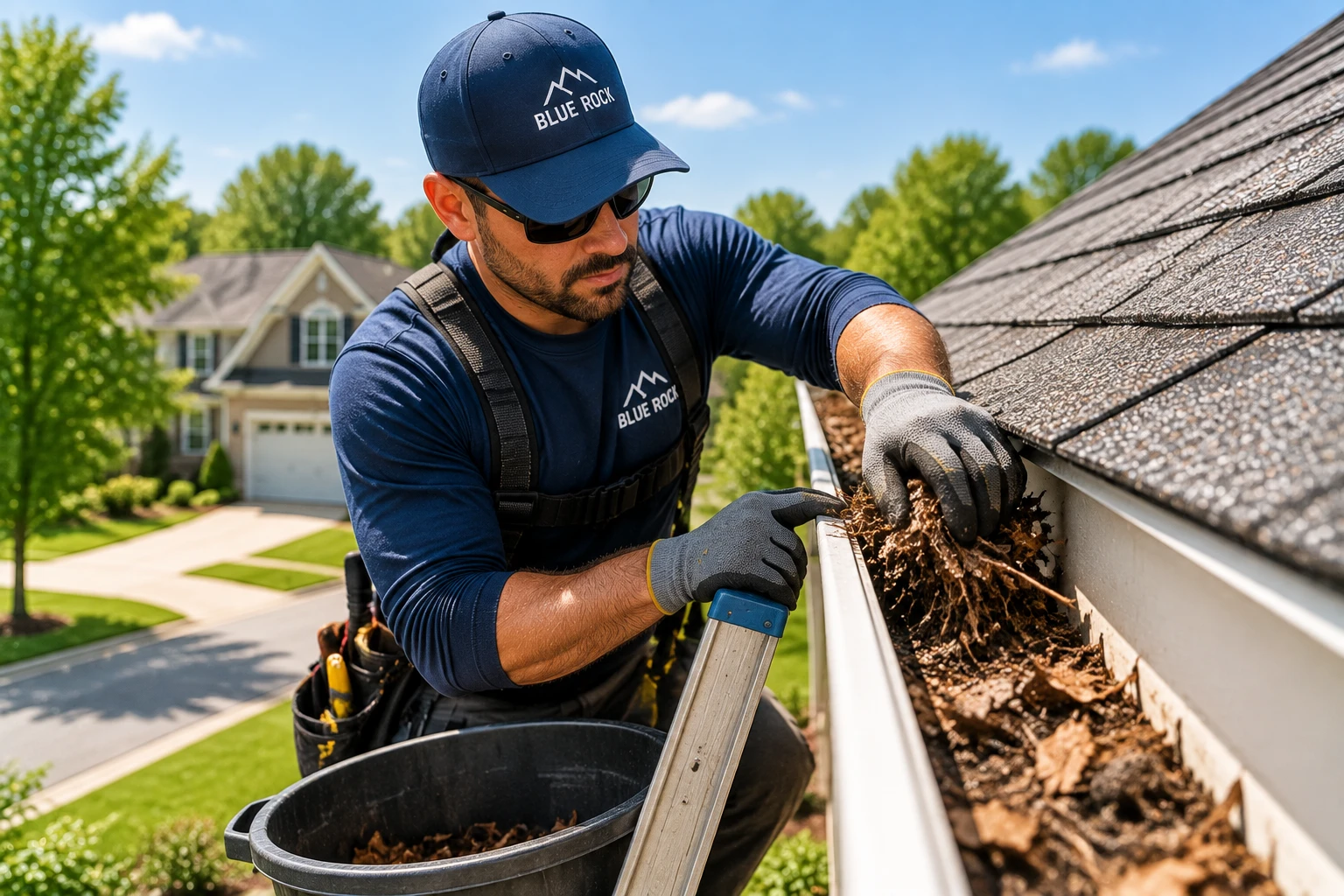
Schedule Regular Roof Evaluations
A roof can develop issues over time due to weather exposure, aging materials, and normal wear. Regular evaluations help homeowners understand whether their roofing system is continuing to perform as expected.
Professional roof inspections can help identify concerns such as:
- Damaged roofing materials
- Loose or deteriorating components
- Signs of moisture entry
- Areas affected by storms
- Potential maintenance needs
Regular inspections are especially useful after severe weather events or when homeowners notice changes in the condition of their roof.
Keep Gutters and Drainage Areas Clear
Water management is an important part of roof performance. Gutters and downspouts help direct rainfall away from the home, reducing the chance of water collecting around the roofing system and foundation.
Homeowners should pay attention to:
- Leaves and debris blocking gutters
- Water overflowing during rainfall
- Damaged drainage components
- Areas where water may collect near the home
For homeowners looking beyond roofing maintenance, proper gutter services can help support the overall exterior protection system of the property.
Monitor Your Roof After Severe Weather
Storms can affect roofing systems in ways that are not always immediately visible. After heavy wind, rain, or falling debris, homeowners should check for signs that the roof may need attention.
Possible indicators include:
- Missing shingles
- New water stains
- Damaged exterior materials
- Unusual attic moisture
- Visible debris impact
If storm-related issues are suspected, professional storm damage roofing services can help determine the extent of the damage and what steps may be needed.
Address Small Issues Before They Grow
Minor roofing concerns are often easier to manage when they are identified early. A small repair today may help prevent more extensive damage later.
For example, a loose piece of flashing or a damaged shingle may appear insignificant, but allowing moisture to enter over time can affect other parts of the home.
Homeowners should avoid waiting until a major leak develops before seeking professional guidance. Addressing concerns early helps maintain the condition of the roofing system and supports better long-term planning.
Follow Recommended Maintenance Practices
Every roofing system has different needs depending on the material, installation quality, weather exposure, and age of the roof.
Helpful maintenance habits include:
- Scheduling evaluations when concerns appear
- Keeping drainage systems functional
- Monitoring changes after storms
- Following professional recommendations
- Addressing repairs when needed
A proactive approach allows homeowners to better understand their roof’s condition and make informed decisions throughout its lifespan.
Finding Reliable Roofing Services Charlotte NC Homeowners Can Trust
Choosing the right roofing solution requires more than identifying a problem and scheduling a repair. Homeowners need a clear understanding of their roof’s condition, the available options, and the steps involved in protecting their property.
Reliable roofing services Charlotte NC providers help homeowners make informed decisions by evaluating the existing roofing system and explaining practical solutions based on the home’s needs.
A strong roofing decision begins with accurate information. Whether the concern involves storm damage, aging materials, leaks, or a planned improvement project, understanding the situation helps homeowners choose the right path forward.
Making an Informed Roofing Decision
Every home has different roofing needs. Factors such as roof age, material type, weather exposure, and previous repairs all influence what solution makes sense.
Before moving forward with a roofing project, homeowners should consider:
- The current condition of the roof
- Whether repair or replacement is more suitable
- The type of roofing materials that fit the home
- The expected project process
- Future maintenance requirements
For example, a homeowner with a newer roof and limited damage may benefit from a targeted repair, while someone with repeated leaks and aging materials may need to explore replacement options.
Professional guidance helps homeowners understand these differences instead of making decisions based only on visible damage.
Understanding Your Available Roofing Options
Roofing projects can involve several different services depending on the situation.
Homeowners may need:
- Roof repair for localized damage or smaller issues
- Roof replacement for aging or extensively damaged systems
- Roof inspections when the condition of the roof is uncertain
- Metal roofing or shingle options when selecting new materials
Understanding these options allows homeowners to focus on the solution that matches their specific situation.
Planning Your Next Step
A roofing project does not need to feel overwhelming when homeowners have a clear understanding of the process.
The next step may involve:
- Scheduling an inspection
- Reviewing repair recommendations
- Comparing material options
- Planning future improvements
- Addressing urgent concerns
Homeowners who have experienced severe weather may also need professional guidance regarding storm damage roofing and possible repair needs.
The goal is to protect the home while making decisions based on accurate information and realistic expectations.
Building Long-Term Confidence in Your Roofing System
A well-maintained roof supports the comfort, safety, and protection of a home. Regular evaluations, timely repairs, and thoughtful planning can help homeowners better manage their roofing needs over time.
The best roofing decisions come from understanding the condition of the current system and choosing solutions that fit the property.
For Charlotte homeowners, working with experienced professionals and staying informed about roofing options creates a stronger foundation for protecting one of the most important parts of the home.