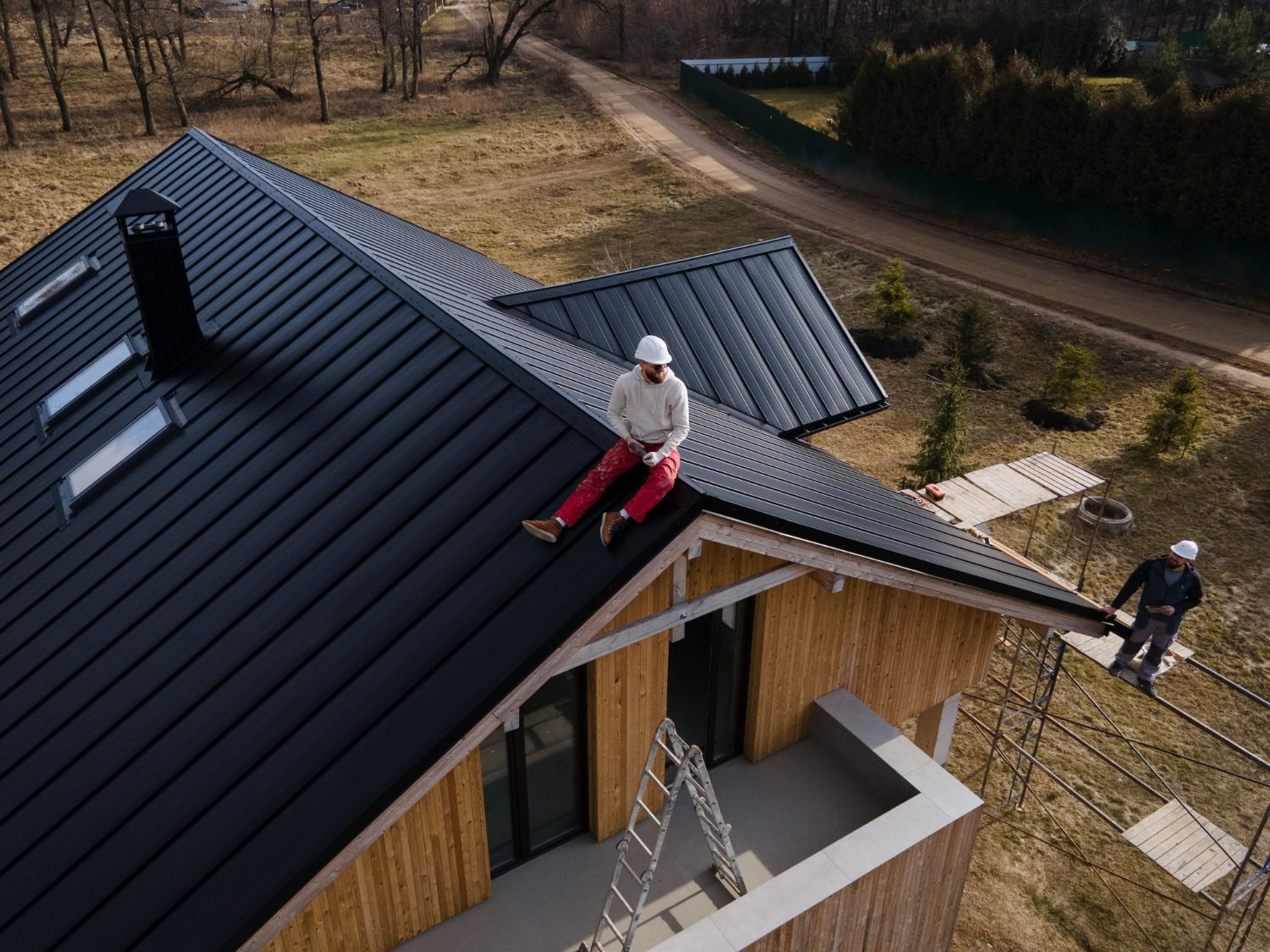


Replacing a roof is one of the larger home projects most Fort Mill homeowners will eventually face, so cost is usually one of the first questions that comes up. The difficult part is that there isn’t one price that applies to every house.
The cost of a new roof in Fort Mill, SC depends on the size and shape of the roof, the roofing material, the condition of the decking underneath, removal of the existing roof, flashing, ventilation, labor, and other details that may not be visible until the roof is inspected.
Blue Rock Roofing & Construction currently notes that asphalt roofing often falls around $4 to $11 per square foot installed, although complex roofs and other conditions can increase the price. Published 2026 national cost data also shows how widely roof replacement prices can vary depending on materials and project conditions.
That range is useful for early budgeting, but a written estimate based on your actual roof is much more useful than applying a national average to your home.
If you’re already considering replacement, learning what goes into a professional roof replacement in Fort Mill, SC can make it easier to understand the numbers in your estimate.
Why Roof Replacement Prices Can Vary So Much
Two homes on the same Fort Mill street can receive noticeably different roofing estimates even when they appear similar from the ground.

Roofers aren’t pricing only the shingles. They have to account for the entire roofing system and the work required to remove the existing materials, prepare the surface, install the new system correctly, address vulnerable areas, and clean up afterward.
A replacement estimate may be affected by:
- Total roof surface area
- Roof pitch and accessibility
- Number of valleys, hips, dormers, and penetrations
- Type and grade of roofing material
- Number of existing roofing layers
- Condition of the roof decking
- Flashing requirements
- Ventilation
- Disposal of old materials
- Permit and inspection requirements
- Repairs discovered during tear-off
This is why comparing quotes based only on the final dollar amount can be misleading. One contractor may include items another contractor has excluded.
A homeowner who wants a clearer understanding of the entire roofing system can start with Blue Rock’s roofing services page before comparing replacement proposals.
Roof Size Is One of the Biggest Cost Factors
Larger roofs require more material and generally more installation time, but home square footage isn’t the same thing as roof square footage.
A 2,000-square-foot home does not automatically have a 2,000-square-foot roof. Roof pitch, overhangs, attached garages, porches, additions, and the building’s footprint all change the actual roofing area.
Roofing contractors normally measure the roof itself and calculate how much material will be required. Roofing materials are commonly measured in “squares,” with one roofing square representing 100 square feet of roof surface.
Roof Shape Also Matters
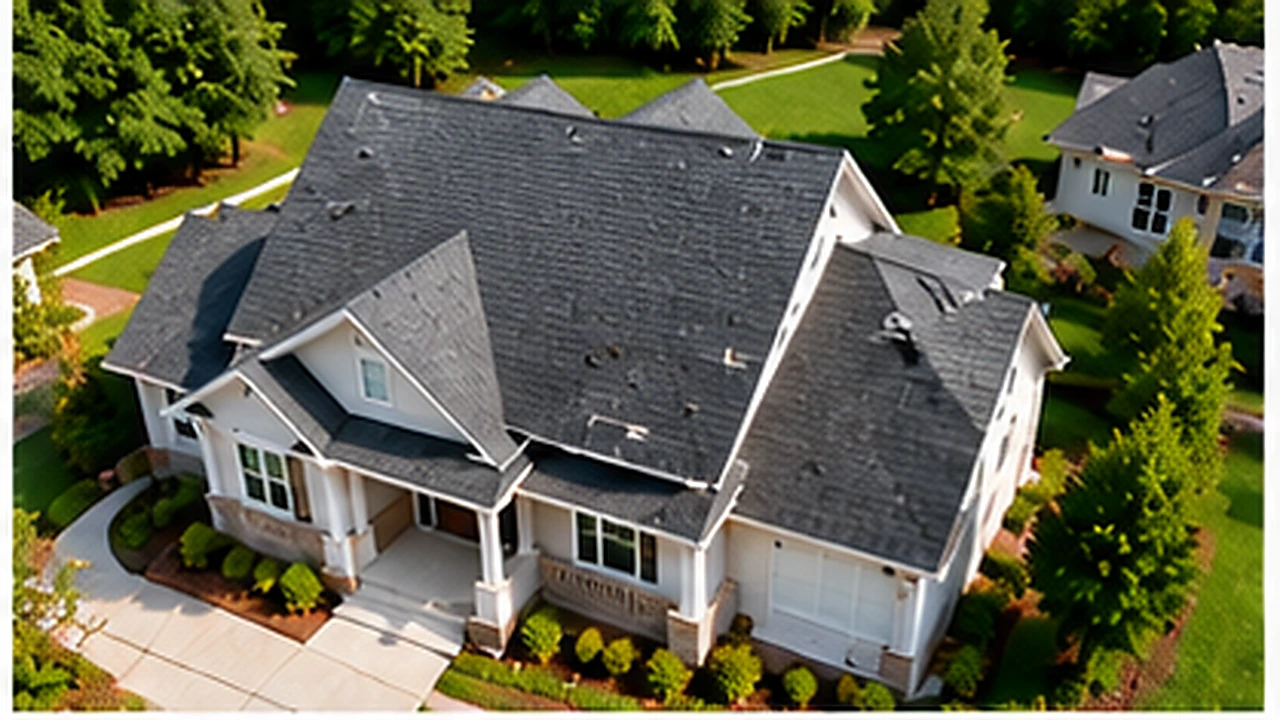
A simple gable roof is typically easier to work on than a roof with multiple valleys, dormers, intersecting sections, steep slopes, chimneys, and skylights.
Those architectural details can require additional cutting, flashing, labor, and material.
For example, two roofs may have almost the same surface area, but the home with several valleys and roof-to-wall intersections may require substantially more detailed installation work.
Steep and Difficult-to-Access Roofs
Pitch affects how crews can safely move and work on a roof. Steeper roofs may require additional safety measures and can take longer to complete.
Accessibility can matter too. Limited driveway space, landscaping close to the structure, multiple stories, or difficult material staging can change how a roofing crew approaches the job.
A professional roof inspection can help identify these conditions before a replacement estimate is prepared.
Your Roofing Material Changes Both Upfront Cost and Long-Term Value
Material selection is another major factor in roof replacement cost in Fort Mill, SC.
For many homes, the decision comes down to asphalt shingles or metal roofing. Each offers different upfront costs, appearance, maintenance considerations, and expected service life.
Asphalt Shingles
Asphalt shingles remain a common residential roofing choice because they provide a practical balance between cost, appearance, availability, and installation requirements.
Homeowners may encounter several shingle options, including three-tab and architectural shingles.
Blue Rock provides dedicated shingle roofing services for homeowners considering this type of system.
Before selecting a product only by price, consider:
- Manufacturer specifications
- Wind rating
- Warranty terms
- Shingle style
- Roof ventilation
- Installation requirements
- Expected maintenance
Homeowners comparing shingle options can also review the guide on what homeowners should know about shingle roofing.
Architectural Shingles
Architectural shingles are thicker and more dimensional than basic three-tab products. Material and installation costs can differ, but homeowners often choose them for their appearance and product options.
Blue Rock’s architectural shingle roofing page explains this option in more detail.
Price shouldn’t be the only deciding factor. A material that fits the home’s roof design, exposure, budget, and long-term plans may make more sense than simply selecting the lowest-priced product.
Metal Roofing
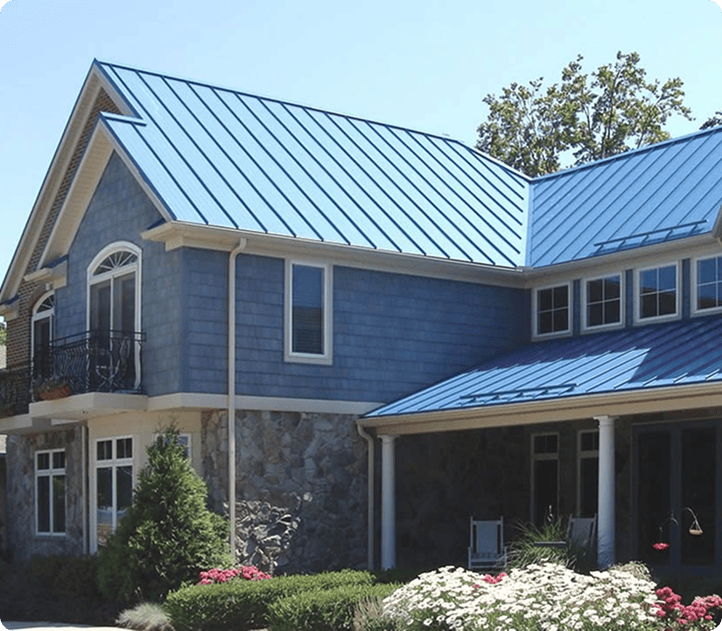
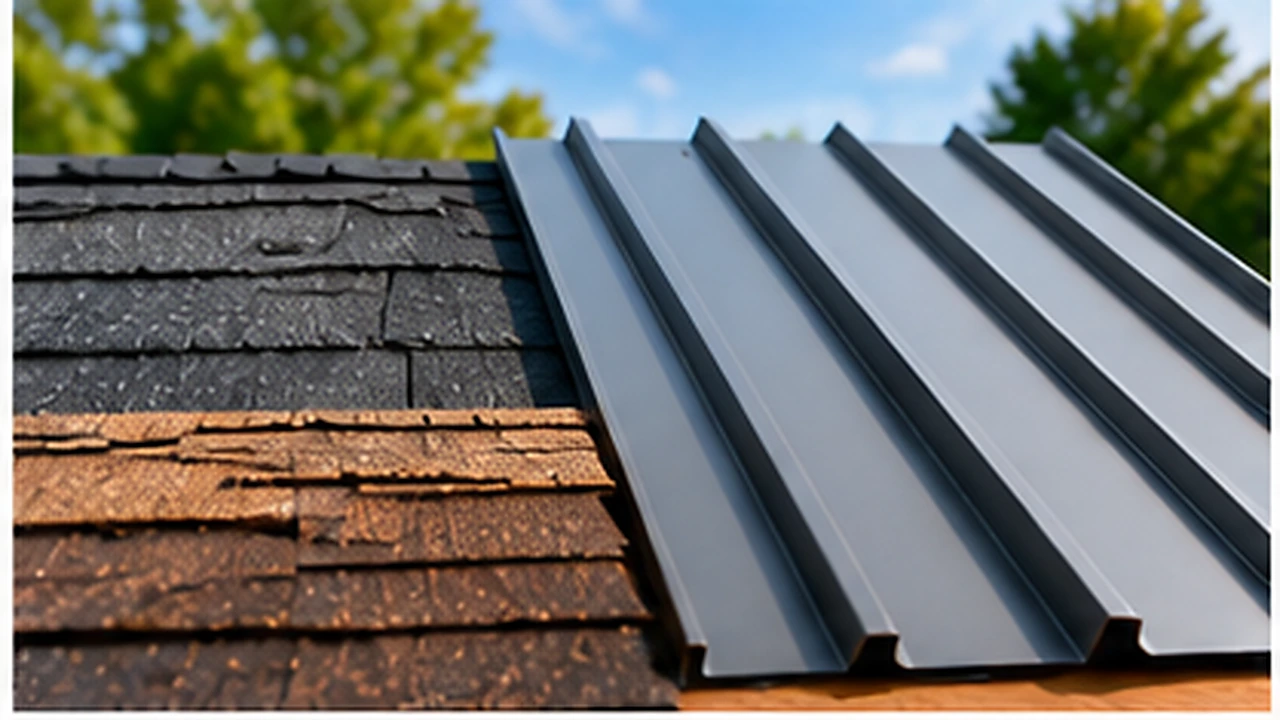
Metal roofing usually requires a larger initial investment than standard asphalt shingles. The type of metal system also matters.
Standing-seam systems, exposed-fastener systems, roof complexity, trim details, penetrations, and substrate conditions can all affect pricing.
Homeowners considering this route can review Blue Rock’s metal roofing services and the comparison of metal roofing vs. asphalt shingles in the Carolinas before deciding which material better fits their plans.
The Existing Roof Has to Come Off Before the New One Goes On
A roof replacement isn’t simply a matter of installing new shingles over an old surface.
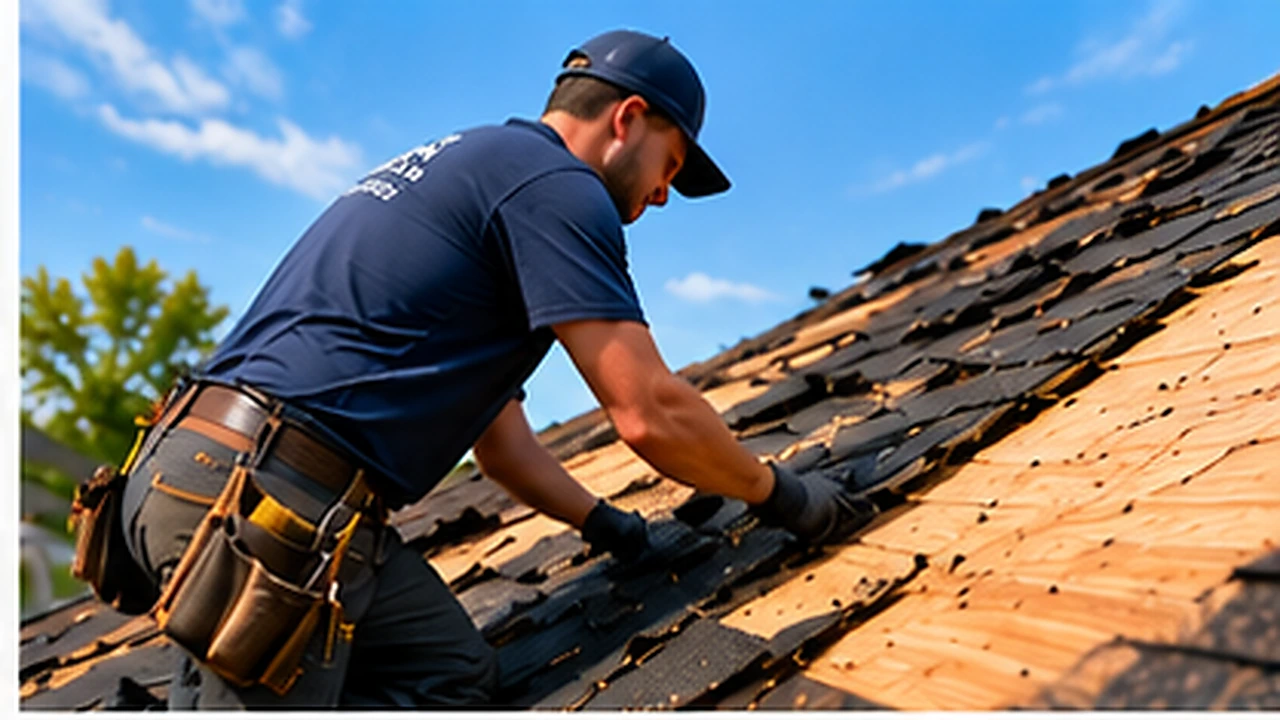
In many projects, the existing roof covering needs to be removed so the underlying deck can be examined. Tear-off creates labor, disposal, and cleanup costs, but it also gives the roofing crew an opportunity to see conditions that were hidden beneath the old material.
This stage can reveal:
- Soft or deteriorated decking
- Moisture damage
- Improper previous repairs
- Damaged flashing
- Deteriorated roof penetrations
- Ventilation problems
- Areas where water has been entering the roofing system
These findings can change the final project cost.
A contractor can identify many concerns before work starts, but some conditions cannot be confirmed until the old roofing material has been removed.
That is one reason a good estimate should explain how unexpected decking or structural repairs will be priced if they become necessary.
Roof Decking and Hidden Damage Can Change the Final Price
The roof deck provides the surface that supports the roofing system. If sections are deteriorated, damaged, or unable to properly hold roofing fasteners, repairs may be necessary before new materials can be installed.
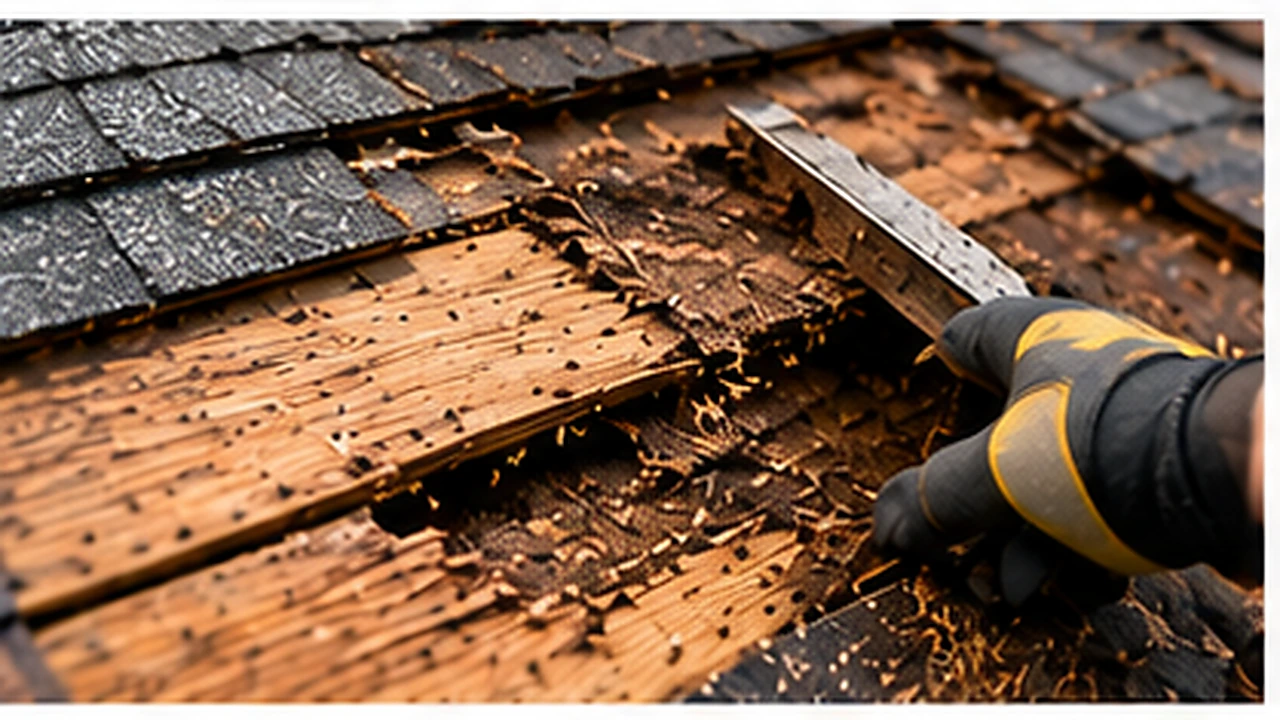
Imagine a homeowner whose shingles look worn but whose roof has never shown an obvious indoor leak. Once the old roof is removed, several pieces of deteriorated decking are discovered near a valley where water had been getting beneath the roofing system.
The replacement now includes work that could not be confirmed from the ground.
That doesn’t necessarily mean the initial estimate was wrong. It means the contractor should have explained ahead of time how concealed conditions would be handled.
If you’re unsure whether your existing roof has reached this stage, the article on signs it’s time to replace your roof can help you recognize common warning signs before scheduling an inspection.
Flashing, Ventilation, and Roof Details Matter More Than They Seem
Shingles get most of the attention because they’re the most visible part of the roof. A dependable roof, however, depends on several interconnected components.
Flashing helps protect vulnerable transitions and penetrations. Ventilation helps manage heat and moisture in the attic and roofing assembly. Drip edge, underlayment, pipe boots, valleys, and roof-to-wall connections also contribute to how the system handles water.
Replacing shingles while ignoring worn or incorrectly installed details can leave weak points behind.
When comparing estimates, look at what the contractor plans to do around:
- Chimneys
- Plumbing vents
- Valleys
- Walls
- Skylights
- Eaves
- Rakes
- Existing flashing
- Attic ventilation
A lower estimate may not represent a lower price for the same work if important components have simply been omitted.
Fort Mill Roofing Projects May Include Permit and Inspection Requirements
Local requirements deserve attention when you’re calculating the true cost and scope of a roof replacement.
The Town of Fort Mill’s published roofing requirements state that a valid building permit is required before roofing repairs or installation are performed within its jurisdiction. The requirements also address contractor registration, licensing, asphalt shingle installation details, drip edge, and a final inspection process that includes photographic documentation.

That local detail is important because permitting should be considered part of the project rather than treated as an afterthought.
Homeowners should ask a prospective contractor who is responsible for permits, inspections, and documentation applicable to the property.
Rules can depend on the property’s jurisdiction, so requirements should be confirmed for the specific address before work begins.
Should You Repair the Roof Instead of Replacing It?
Not every roofing problem requires a complete replacement.
A smaller, localized issue on an otherwise serviceable roof may be appropriate for professional roof repair. On the other hand, repeatedly repairing a roof with widespread deterioration may become less practical over time.
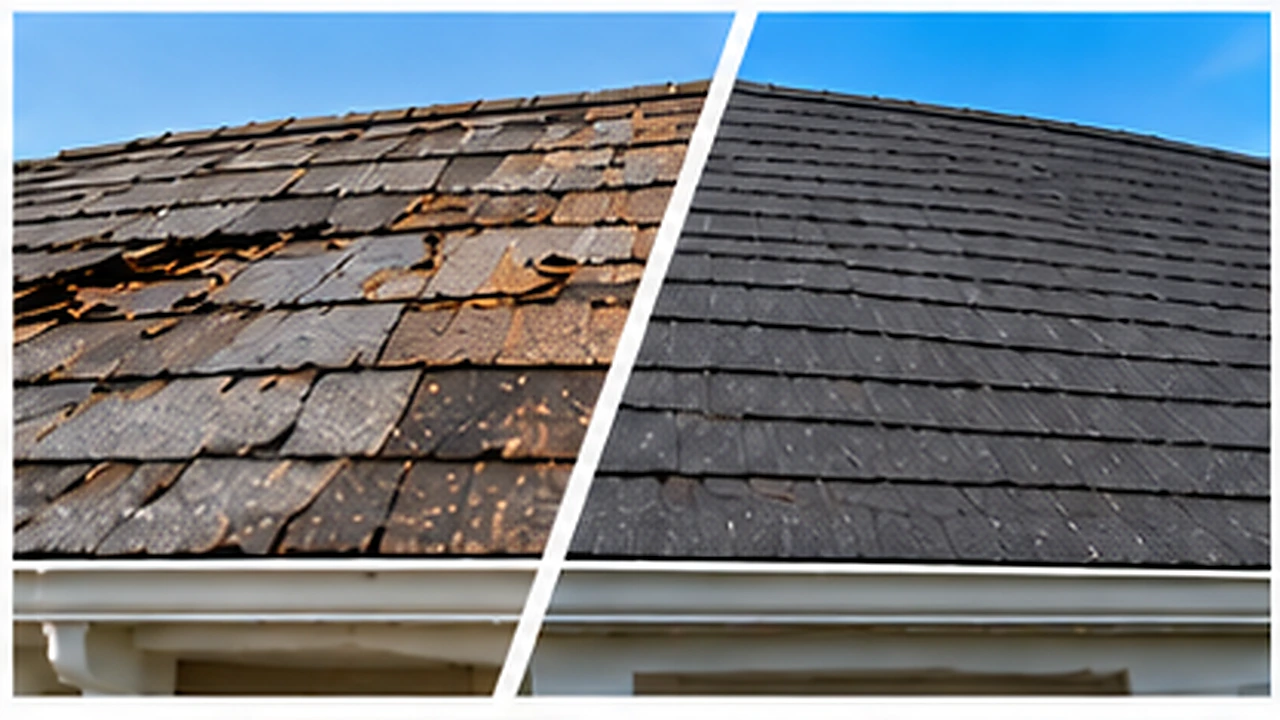
The decision depends on more than age.
A contractor may look at:
- Extent of damage
- Location of the problem
- Condition of surrounding roofing material
- Previous repairs
- Decking condition
- Frequency of leaks
- Remaining useful condition of the roof
- Cost of continued repairs compared with replacement
For homeowners weighing both options, Blue Rock’s roof repair vs. replacement guide goes deeper into the decision.
A reputable contractor should be able to explain why repair or replacement is being recommended rather than presenting replacement as the automatic answer.
Storm Damage Can Change the Conversation
Roof replacement sometimes begins as a planned home improvement project. In other cases, the need becomes apparent after strong wind, hail, falling debris, or another weather event.
Storm-related damage can involve missing or lifted roofing material, damaged flashing, impacts, leaks, or damage that isn’t easy to recognize from ground level.
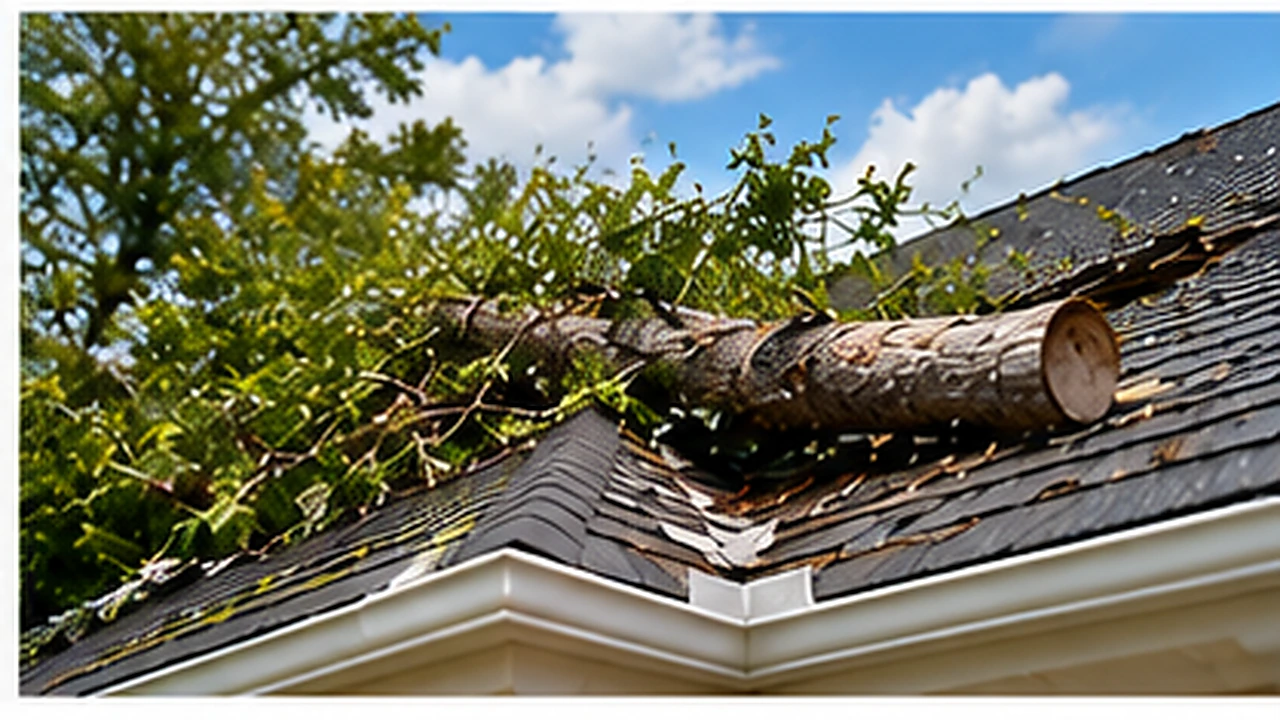
If the roof problem appeared after severe weather, begin by documenting what happened and having the roof assessed.
Blue Rock provides storm damage roofing services for these situations. Homeowners can also read the guide explaining how storm damage can affect your roof and what to do next.
Insurance coverage depends on the policy, cause of loss, condition of the roof, documentation, and the insurer’s determination. Homeowners should review their policy and communicate directly with their insurance company rather than assuming a roof replacement will be covered.
What Should Be Included in a Roof Replacement Estimate?
Once you start requesting quotes, the scope of work matters just as much as the total price.
A useful written estimate should make it reasonably clear what you’re paying for.
Look for information about the roofing material, removal of existing roofing, underlayment, flashing, ventilation work, disposal, cleanup, decking procedures, warranty information, and any other work specific to the property.

Material descriptions should also be clear enough for you to compare one proposal with another.
If one estimate uses an architectural shingle while another uses a basic three-tab product, those aren’t identical proposals even if both simply say “asphalt roof.”
The same applies to metal roofing systems.
Before signing a contract, ask what could cause the price to change once work begins and how any additional work would be authorized.
The Lowest Roofing Quote Isn’t Always the Least Expensive Choice
Cost matters, but price should be evaluated alongside scope.
Suppose one contractor provides a noticeably lower estimate but says little about flashing replacement, ventilation, permits, cleanup, or hidden decking repairs. Another provides a more detailed scope that explains each part of the roofing system.

The second quote may initially appear more expensive, yet the two contractors may not actually be pricing the same project.
Compare:
- Material manufacturer and product
- Material grade
- Underlayment
- Flashing
- Ventilation
- Tear-off and disposal
- Decking repair procedures
- Permit responsibilities
- Cleanup
- Workmanship warranty
- Manufacturer warranty
- Payment terms
- Project scope
Written details make it easier to understand where the differences come from.
Homeowners who are still comparing companies may also find the guide on how to choose a roofing contractor in Fort Mill, SC useful before making a hiring decision.
How Can You Get a More Accurate New Roof Price?
Online cost ranges are useful for planning, but they can’t account for the exact roof sitting on your house.
The most useful next step is an on-site inspection.
A roofer can evaluate roof dimensions, pitch, visible damage, flashing, penetrations, material options, accessibility, and other project conditions. That information makes it possible to create a scope based on the home rather than a generic cost calculator.
Blue Rock Roofing & Construction serves Fort Mill and surrounding Carolina communities and offers roofing inspections and estimates for homeowners evaluating repairs or replacement. The company’s current site lists roof replacement, roof repair, emergency roof repair, roof inspections, storm damage roofing, and insurance claims assistance among its roofing services.
Frequently Asked Questions
How much should I budget for a new roof in Fort Mill?
There isn’t a reliable single price for every Fort Mill roof. Blue Rock’s current roofing information notes that asphalt roofing often falls around $4 to $11 per square foot installed, while roof size, material, pitch, tear-off, decking, flashing, ventilation, and complexity can change the total.
The most accurate budget starts with measuring and inspecting the actual roof.
Does an architectural shingle roof cost more than three-tab shingles?
Product pricing and installation costs can differ between shingle types. Architectural shingles are generally a different product class than traditional three-tab shingles, so homeowners should compare product specifications, warranty terms, appearance, installation requirements, and the full written proposal rather than assuming all asphalt shingles are priced the same.
Is metal roofing more expensive than asphalt shingles?
Metal roofing commonly has a higher upfront cost than standard asphalt shingles. The exact difference depends on the type of metal system, roof complexity, trim, penetrations, substrate condition, and installation requirements.
Long-term plans for the home should be considered alongside initial price.
Can a roofer know the exact replacement cost before removing the old roof?
A detailed inspection can identify many cost factors, but concealed decking or moisture damage may not be visible until the existing roof has been removed.
Ask the contractor how hidden damage is priced and approved if it is discovered.
Do I need a permit to replace a roof in Fort Mill?
For properties subject to the Town of Fort Mill’s published roofing requirements, a valid building permit is required before roofing repair or installation work begins. Property owners should confirm the requirements that apply to their specific address and jurisdiction.
Is a roof inspection worth getting before requesting replacement quotes?
Yes. An inspection helps establish the roof’s current condition and whether the problem calls for repair, replacement, or further evaluation. It also gives the contractor a better basis for preparing a detailed estimate.
Planning Your Roof Replacement in Fort Mill
A new roof isn’t priced from one factor alone.
Roof size, slope, roofing material, tear-off, decking, flashing, ventilation, permits, accessibility, and existing damage all contribute to the final scope. That is why online averages should be treated as budgeting references rather than promises of what your project will cost.
The best estimate is one that explains what your roof needs, what materials will be installed, what work is included, and what conditions could change the price.
If you’re considering a new roof, schedule an inspection with Blue Rock Roofing & Construction and request a written estimate for your property. Reviewing your options now can help you understand whether repair or replacement makes sense and what you should realistically budget for the project.